
Research & Development
Your question can open a new path.
Partner with LDgenX to accelerate your research and innovation projects. The team welcomes scientific, technical and industrial collaborations and develops new approaches combining environmental DNA, sequencing and bioinformatics.
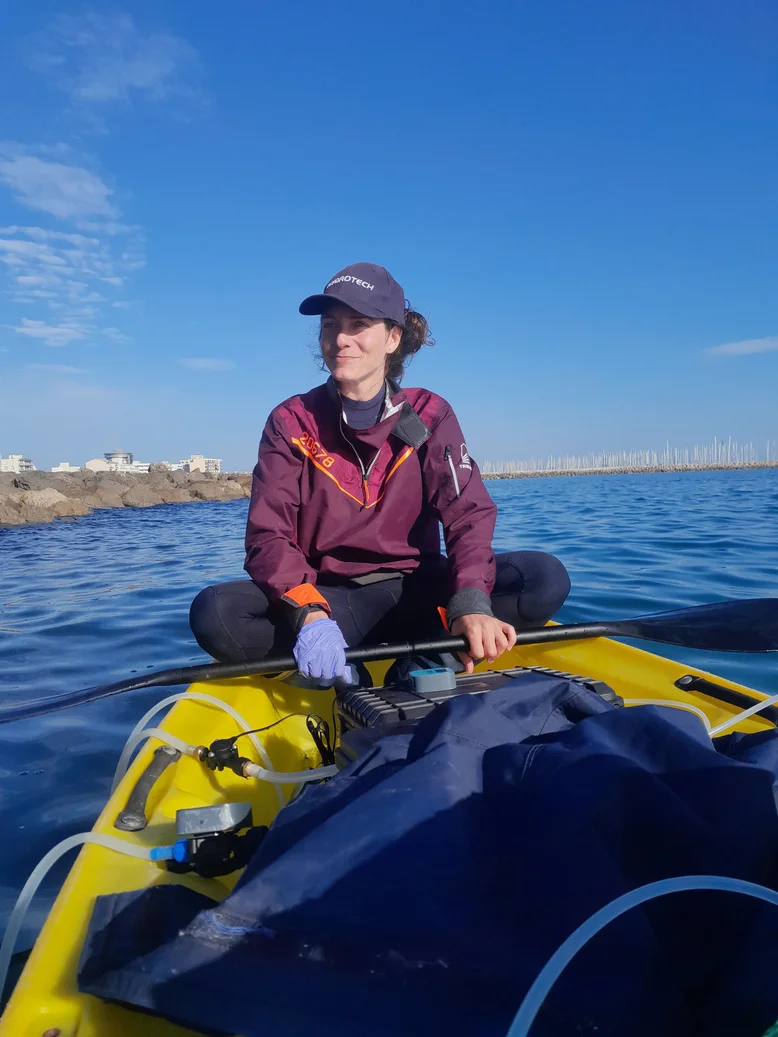
Your scientific need
An open question? Let’s build the method.
A molecular development need, an open question or a collaborative project? A first conversation clarifies the question and the expertise to bring together.
The approaches to bring in
Design, develop, collaborate.
The choice of methods is guided by the scientific objective and the context of your project.
Scientific design
Setting the objectives and exploring the relevant approaches.
Molecular development
Designing tools suited to a biological question.
Bioinformatics
Developing the analysis approaches specific to the project.
Collaboration
Bringing together complementary scientific and technical expertise.
French research tax credit
LDgenX is CIR-approved.
Eligible R&D work you outsource to us may count towards your French research tax credit. Eligibility depends on the nature of the work and your company’s circumstances.
In mainland France: 30% up to €100 million of eligible expenditure, then 5% above that threshold, within the conditions and ceilings of article 244 quater B of the French general tax code. Official CIR conditions
Discuss your R&D projectOur services
Support at every stage.
The steps the team carries out for you, depending on the scope of your project.
- Grant proposal support
- Project support and guidance
- Scientific consulting
Applications
Fields to explore together.
- Grant proposal support
- Scientific consulting
- Project support and guidance
- Genomic innovation
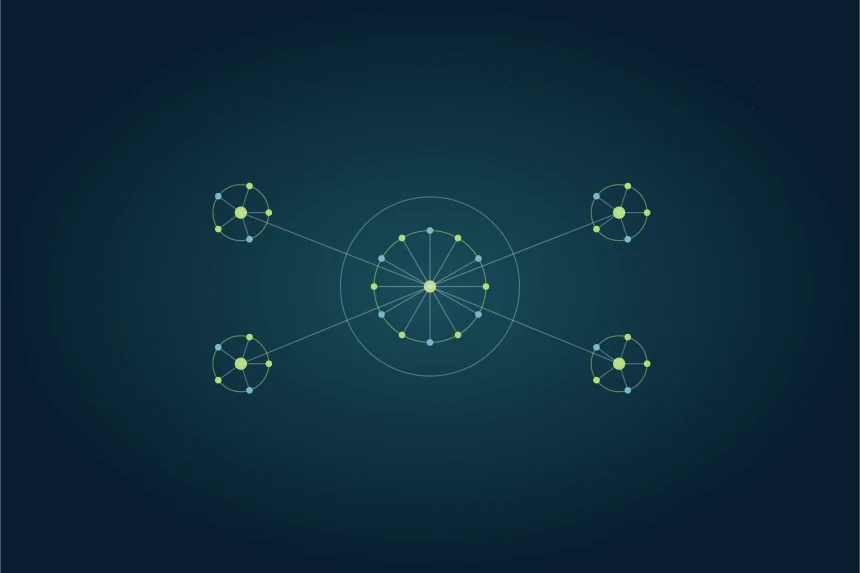
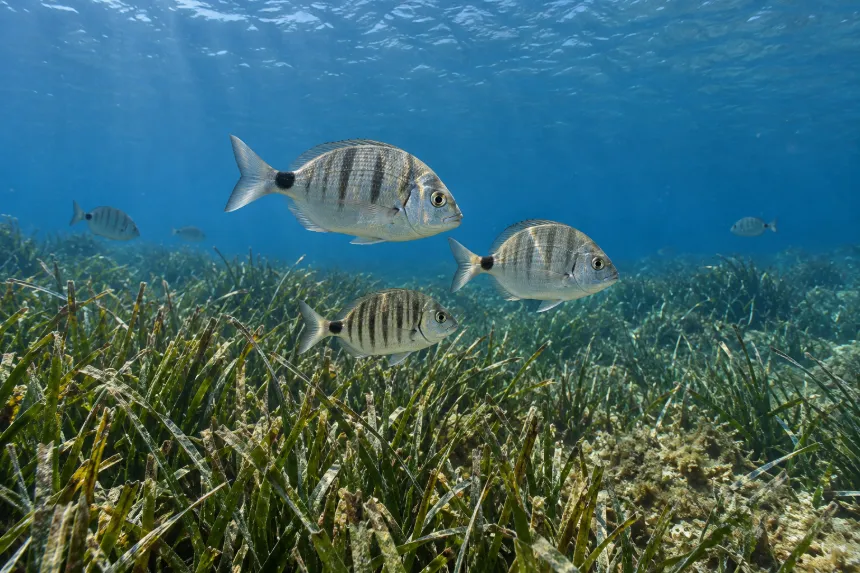
Your project in practice
Shared scoping. A tailored proposal.
Every R&D project starts with joint scoping. The development objectives, the steps and the terms of collaboration are defined with the project partners.
To prepare the first conversation
- Your objective and the decision it should inform
- The context: site, environment, species or population studied
- The samples or data already available
- Your schedule and field constraints
What we define together
- The scope of the service
- The sampling strategy and the analyses
- How results are reported
- The schedule and the quote
Your fields of application
Genomics in your field.
Let’s discuss your project
Your question. Our next starting point.
A project in biodiversity, genomics or bioinformatics? Describe your needs to receive a proposal, or book a first conversation with our scientific team.
Or write to us: info@ldgenx.fr