
Population genomics
Understanding genetic diversity to better manage and conserve populations.
Population genomics enables the characterisation of genetic diversity, population connectivity and adaptive potential to support effective conservation and management strategies. LDgenX develops tailored genomic approaches for biodiversity conservation, population management and scientific research.
Your scientific need
Diversity, structure, connectivity.
How do populations differ? What exchanges connect them? How can their diversity be studied? Your management or research question determines the choice of genomic tools.
The approaches to bring in
From SNP panels to whole genomes.
The choice of methods is guided by the scientific objective and the context of your project.
Reduced-representation sequencing · 3D-GBS
Genotyping thousands of genome-wide markers to assess genetic diversity, population structure and connectivity.
Whole-genome sequencing · WGS
Genome-wide sequencing to investigate variants, adaptation and evolutionary history.
Custom SNP panels
Development of tailored SNP panels for genetic monitoring, individual assignment, parentage testing and conservation programmes.
Genetic marker discovery
Identification of SNPs, indels and other genetic variants tailored to the objectives of your project.
Our services
From sample to genetic markers.
The steps the team carries out for you, depending on the scope of your project.
- DNA extraction
- Library preparation
- Sequencing
- Bioinformatics analyses
- Genetic marker discovery (SNP, indel)
- Decision-support report
- Genetic analyses (GWAS)
- Scientific support
- Project design
Applications
Genetic data to manage populations.
- Conservation genetics
- Population management
- National Action Plans (NAPs)
- Inbreeding, hybridisation and individual assignment
Case studies
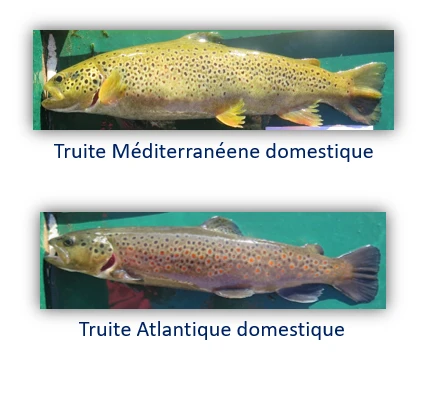
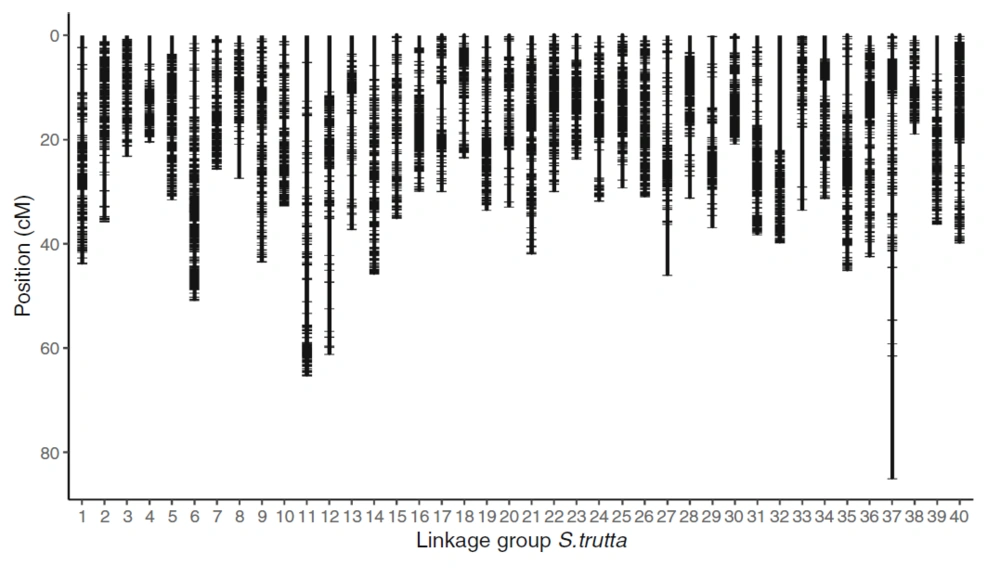
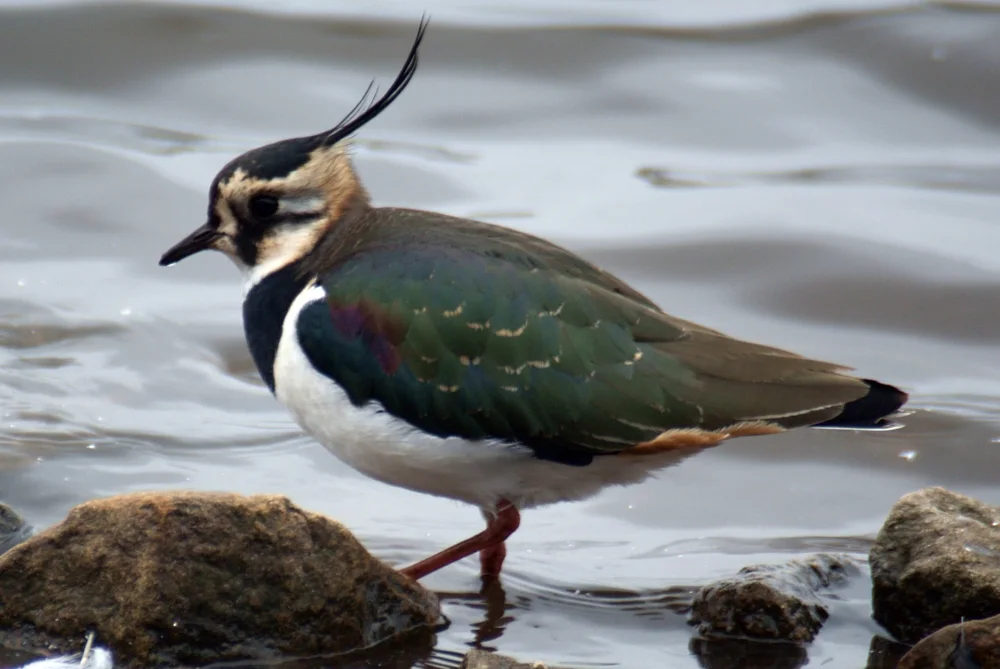
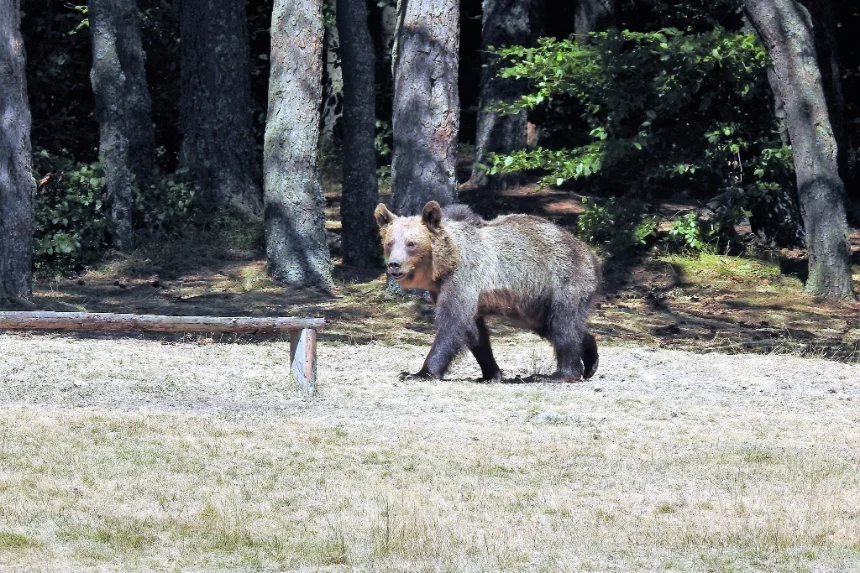
Populations already studied.
Your project in practice
Shared scoping. A tailored proposal.
Interpretation brings the genetic data together with the context of the populations studied. The biological questions, the available samples and the field information guide the work.
To prepare the first conversation
- Your objective and the decision it should inform
- The context: site, environment, species or population studied
- The samples or data already available
- Your schedule and field constraints
What we define together
- The scope of the service
- The sampling strategy and the analyses
- How results are reported
- The schedule and the quote
Your fields of application
Genomics in your field.
Let’s discuss your project
Your question. Our next starting point.
A project in biodiversity, genomics or bioinformatics? Describe your needs to receive a proposal, or book a first conversation with our scientific team.
Or write to us: info@ldgenx.fr