
Targeted DNA tests
Your target species, a custom DNA test.
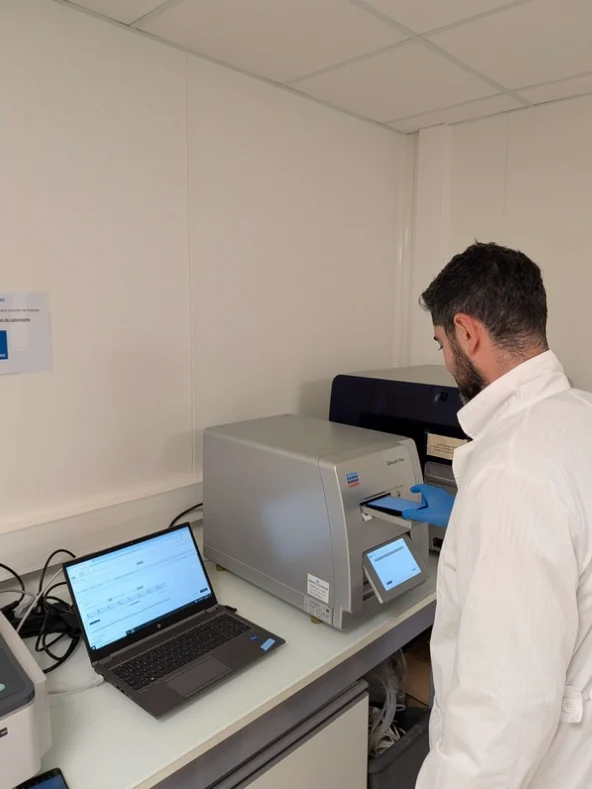
European mink, Atlantic bluefin tuna, sharks, loggerhead turtle: LDgenX holds primers and probes for 22 species and designs assays for new targets. Digital PCR (dPCR) detects and quantifies the DNA of the species you are looking for in water, soil or sediment.
Your scientific need
One question, one species.
A protected species to confirm, an invasive species to detect early, a pathogen to monitor? When the question is about one species, a targeted test answers it more directly than a survey.
Primers and probes in house
22 species, ready to be searched for.
22 species, ready to be searched for.
Mammals, fish, a reptile and invertebrates: LDgenX holds primers and probes for each of these species. Choose one to see its details.
Mammals 6
Fish 13
- Atlantic bluefin tunaThunnus thynnus
- SwordfishXiphias gladius
- Mediterranean spearfishTetrapturus belone
- Blue sharkPrionace glauca
- Shortfin mako sharkIsurus oxyrinchus
- PorbeagleLamna nasus
- Common thresher sharkAlopias vulpinus
- Pelagic stingrayPteroplatytrygon violacea
- AlbacoreThunnus alalunga
- Ocean sunfishMola mola
- Basking sharkCetorhinus maximus
- Great white sharkCarcharodon carcharias
- Bigeye thresher sharkAlopias superciliosus
Reptiles 1
The approaches to bring in
Detect, quantify, monitor.
The choice of methods is guided by the scientific objective and the context of your project.
Detect a species
Find out whether the DNA of one species is present in a water, soil or sediment sample.
Quantify its DNA
Estimate the amount of target DNA, as a number of copies, to compare samples or sites.
Rare or invasive species
Look for a protected, threatened or invasive species when the question is about one target.
Pathogens
Monitor a pathogen by dPCR, for instance in aquaculture.
Your target species, a custom DNA assay
Our target species
Mammals
European mink
Mustela lutreolaPrimers and probes held in-house
LDgenX holds primers and probes for this species. Tell us about your project so we can define a suitable approach together.
Sample matrices, conditions of use and assay performance are evaluated for each project.
Discuss this targetThe steps of developing an assay
Specify the species, the question asked and the related species not to be confused with it, from the available reference sequences.
dPCR estimates a quantity of target DNA, as a number of copies; it does not directly count the individuals present.
Is your species not on the list?
Tell us about the species, your question and your samples: we will look with you at developing a suitable assay.
Our services
From design to report.
The steps the team carries out for you, depending on the scope of your project.
- Primer and probe design
- Specificity assessment
- DNA extraction
- Digital PCR (dPCR)
- Interpretation of results
- Decision-support report
Applications
The most frequent targets.
- Protected species
- Invasive species
- Fisheries species
- Pathogens
Case studies
Targets already studied.
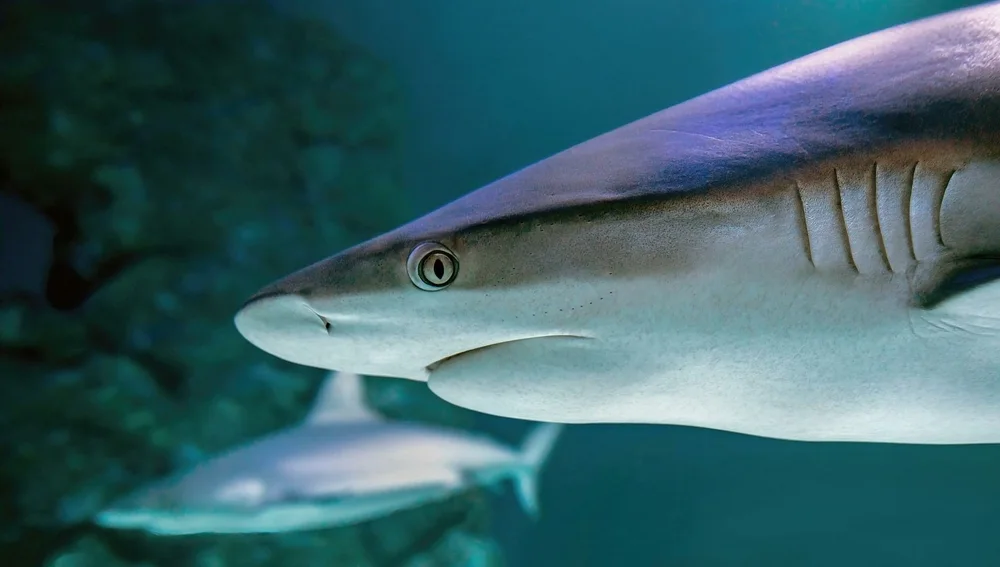 Detection of iconic Mediterranean species using dPCR
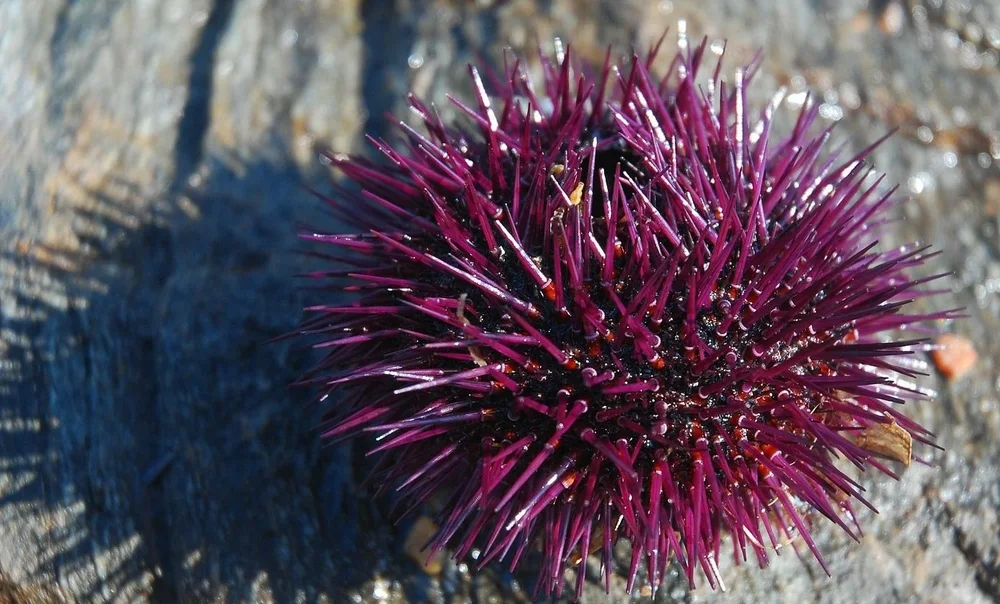 Detection of the purple sea urchin (Paracentrotus lividus)
Your project in practice
Shared scoping. A tailored proposal.
Each test is defined with you: the species, the related species it must not confuse, the matrices and the sampling plan. Assay performance is evaluated for each project.
To prepare the first conversation
- Your objective and the decision it should inform
- The context: site, environment, species or population studied
- The samples or data already available
- Your schedule and field constraints
What we define together
- The scope of the service
- The sampling strategy and the analyses
- How results are reported
- The schedule and the quote
Your fields of application
Genomics in your field.

Let’s discuss your project
Your question. Our next starting point.
A project in biodiversity, genomics or bioinformatics? Describe your needs to receive a proposal, or book a first conversation with our scientific team.
Or write to us: info@ldgenx.fr