
Environmental studies
Documenting the biodiversity of your projects, from baseline to monitoring.
Local authorities, developers, environmental consultancies and project owners: environmental DNA provides non-invasive data for your biodiversity surveys, ecological baselines, impact assessments and biodiversity monitoring. LDgenX carries out the analyses and helps you interpret them in your process.
Your field questions
Three questions at the heart of your projects.
Before choosing a technology, we take the time to understand the question, the environment and the information you need.
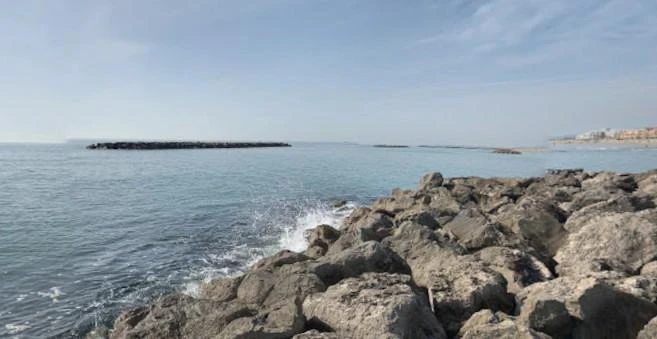
Which species use the site?
eDNA biodiversity surveys in water, soil or sediment, to complement field surveys during a baseline study.
Is a protected or invasive species present?
Detection of species of interest, by metabarcoding or by a targeted DNA assay when the question concerns one precise species.
How is the environment changing?
Repeated sampling with the same protocol, to monitor biodiversity over time, during and after the works.
The approaches offered
Tools chosen for your question.
Environmental DNA
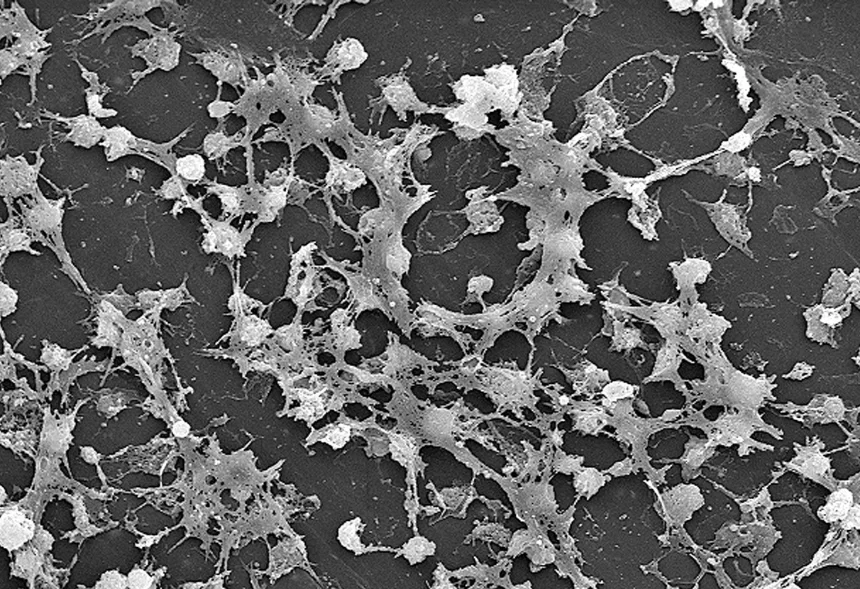
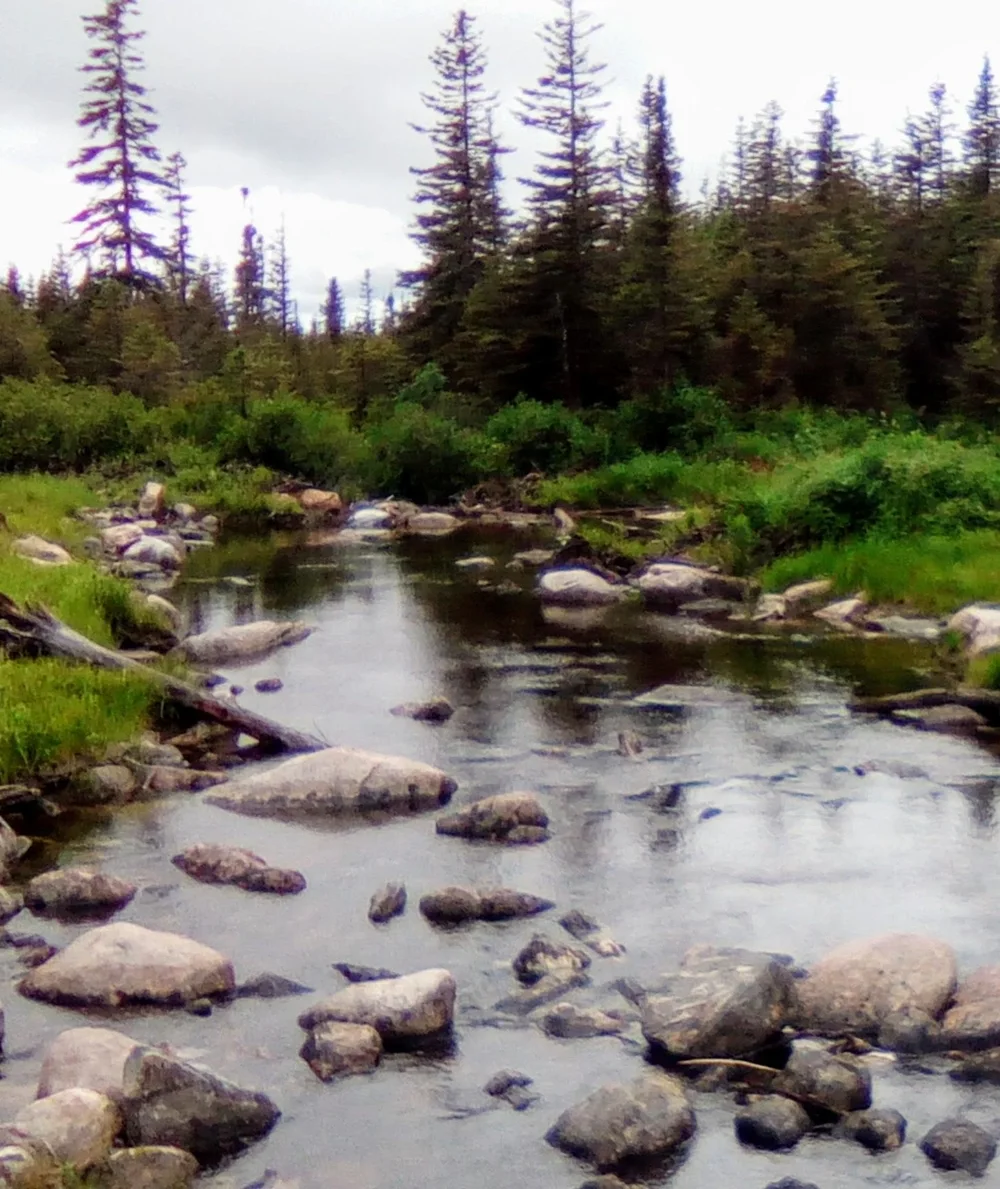
DNA traces sampled from water, soil, sediment or biofilms, without capturing or disturbing the species.
Metabarcoding
A survey of many species at once, from targeted genetic markers (12S, COI, 18S, ITS…).
Targeted dPCR assays
Detection and quantification of the DNA of one precise species, with specific primers and a probe designed when needed.
Microbial communities
16S or ITS sequencing to characterise the bacterial and fungal communities of an environment.
Applications
- Environmental impact assessments
- Baseline environmental surveys
- Biodiversity monitoring
- Long-term environmental monitoring
- Detection of protected species
- Detection of invasive species
- Ecological compensation
- Land development projects
- Onshore and offshore renewable energy projects
Case studies
- eDNA biodiversity surveys
- Early detection of invasive species
- Environmental monitoring
- Development of targeted dPCR assays for species monitoring
ERC sequence
Data to inform the ERC sequence
Data to inform the ERC sequence
The French “Éviter, Réduire, Compenser” sequence (avoid, reduce, compensate) organises how development projects take the environment into account. DNA analyses provide biodiversity data along the way, alongside naturalist surveys and ecological expertise.
- Avoid
- Reduce
- Compensate
eDNA biodiversity survey and search for protected or invasive species: spotting the issues early helps to avoid, then reduce impacts.
eDNA reveals the presence of a species’ DNA in a sample; on its own it does not replace naturalist surveys and does not directly indicate the size of a population.
LDgenX acts as a scientific contributor: sampling strategy, analyses and interpretation. The regulatory file, the definition of measures and the assessment of their compliance rest with the project owner and its partners.
The ERC sequence, French Ministry for the Ecological Transition (in French) (opens in a new tab)Deliverables and support
From sample to interpretation.
The scope is defined with you when the project is scoped: a complete study or a single analysis step.
Discuss your project- Design of the protocol and sampling strategy
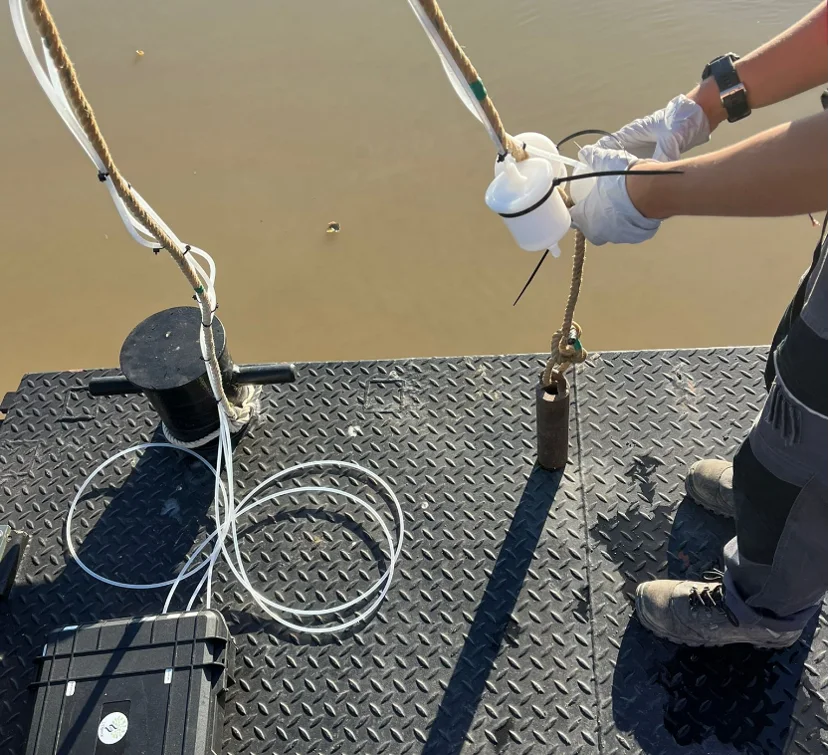
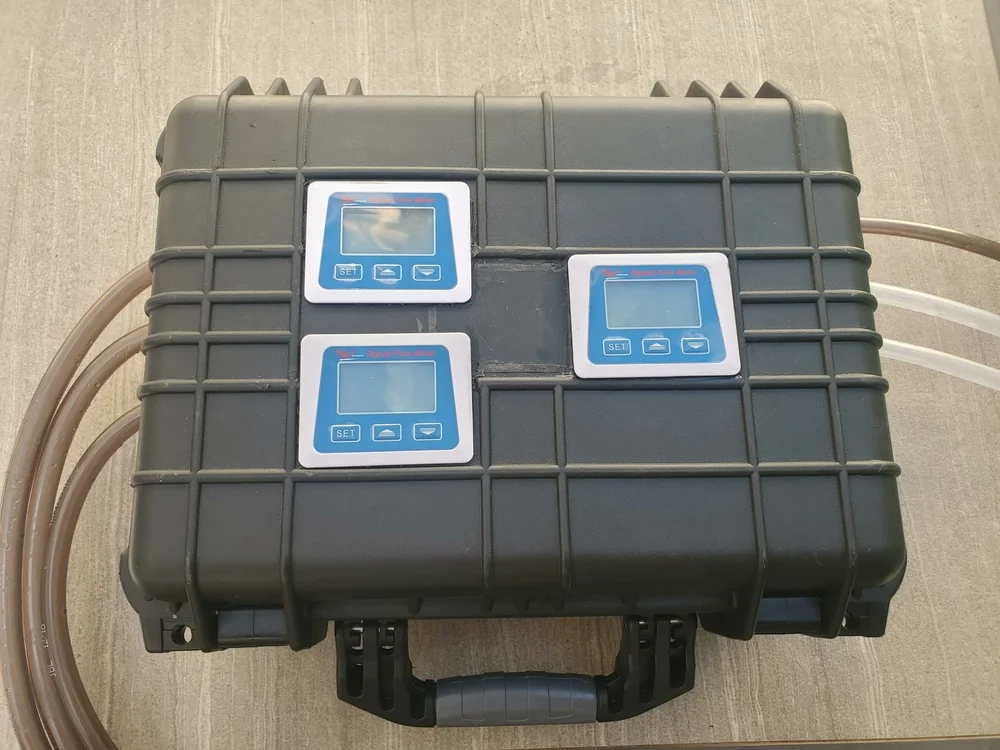
- Filtration equipment and sampling support
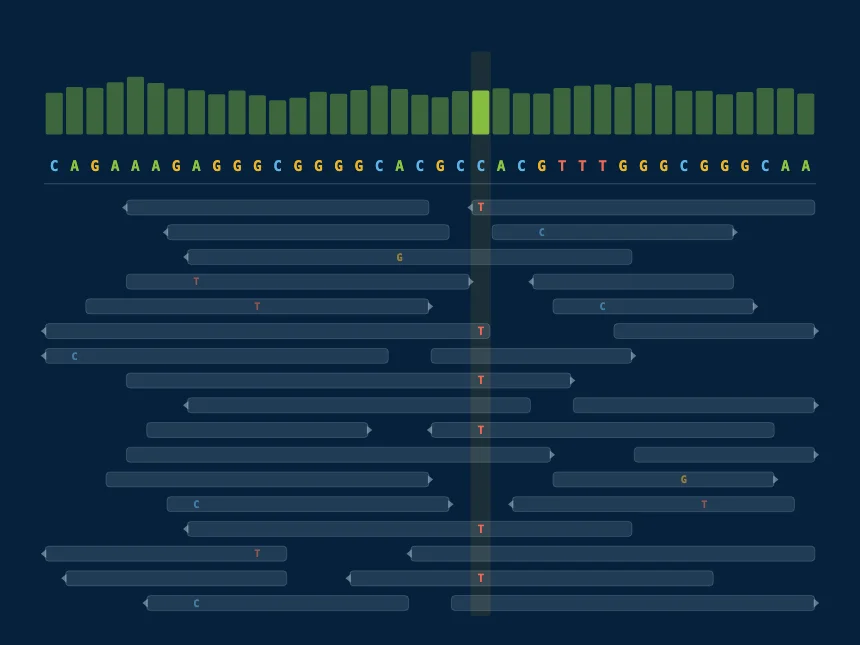
- Molecular analyses, sequencing or dPCR
- Bioinformatics and statistical analyses
- Mapping and visualisation of the results
- Decision-support report, with the interpretation of the results
The services to bring in
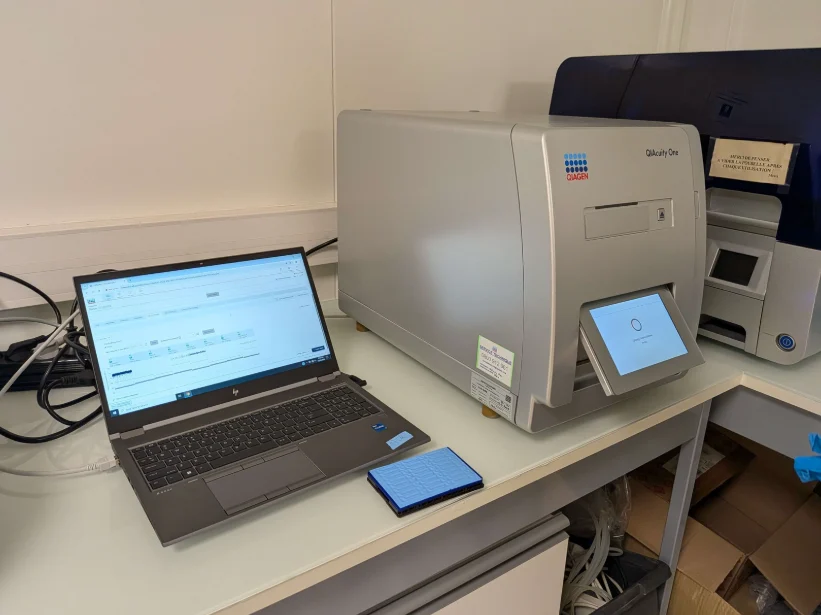
eDNA, dPCR, microbiology and field equipment.
From sampling to interpretation, we connect the services to the need identified with you.
Your project in practice
Shared scoping. A tailored proposal.
Tell us about the context, the site or population studied, the objectives and the existing data. This first conversation scopes the need and the steps of support.
To prepare the first conversation
- Your objective and the decision it should inform
- The context: site, environment, species or population studied
- The samples or data already available
- Your schedule and field constraints
What we define together
- The scope of the service
- The sampling strategy and the analyses
- How results are reported
- The schedule and the quote
A concrete example
Reading the biodiversity of ports and estuaries.
A fish survey for the Artois-Picardie Water Agency.
Explore this studyIn brief
- Client
- Artois-Picardie Water Agency
- Carried out by
- Qualyse, LDgenX and Prelevmar consortium
- Environments
- Ports and estuaries of the coastline
- Approach
- Environmental DNA from water samples
Let’s discuss your project
Your question. Our next starting point.
A project in biodiversity, genomics or bioinformatics? Describe your needs to receive a proposal, or book a first conversation with our scientific team.
Or write to us: info@ldgenx.fr