
Sequencing & dPCR
The technology suited to your scientific question.
Amplicon sequencing, long reads, whole genomes or species detection by dPCR: LDgenX supports your projects, from the design of specific primers and probes to the interpretation of results, including the quantification of a target species’ environmental DNA.
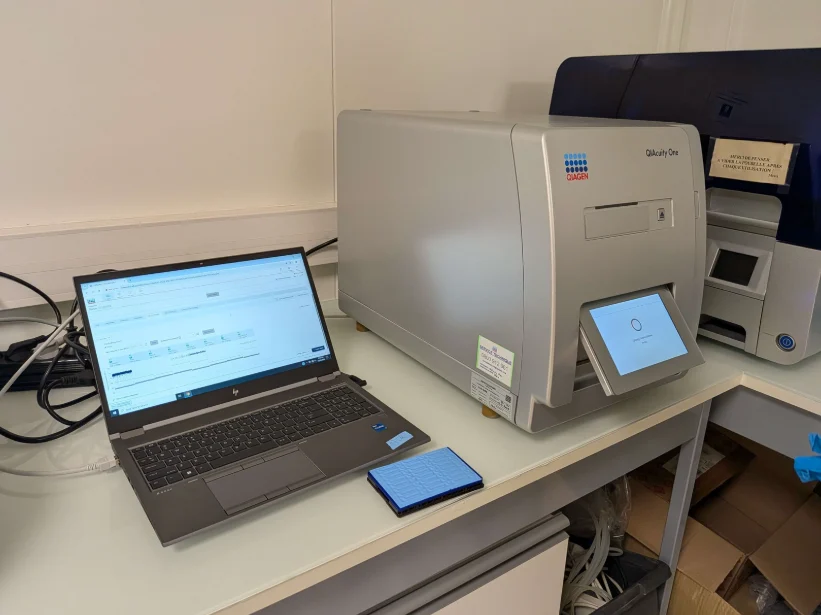
Your scientific need
Read genomes or detect one species?
Amplicon sequencing, long reads or targeted detection: the choice of technology must be tied to the samples and to the information you are looking for.
The approaches to bring in
From amplicons to whole genomes.
The choice of methods is guided by the scientific objective and the context of your project.
Amplicon sequencing
16S, ITS, COI, 12S, 18S and custom genetic markers.
Metagenomics
Taxonomic and functional analysis of biological communities.
Whole-genome sequencing · WGS
Sequencing that aims to cover the whole genome, at a depth suited to the project.
RAD-seq & custom SNP panels
Population genomics and genotyping applications.
Long-read sequencing
Oxford Nanopore sequencing for long-read genomic analyses.
Digital PCR (dPCR)
Ultra-sensitive detection and quantification of target species, pathogens or genetic variants.
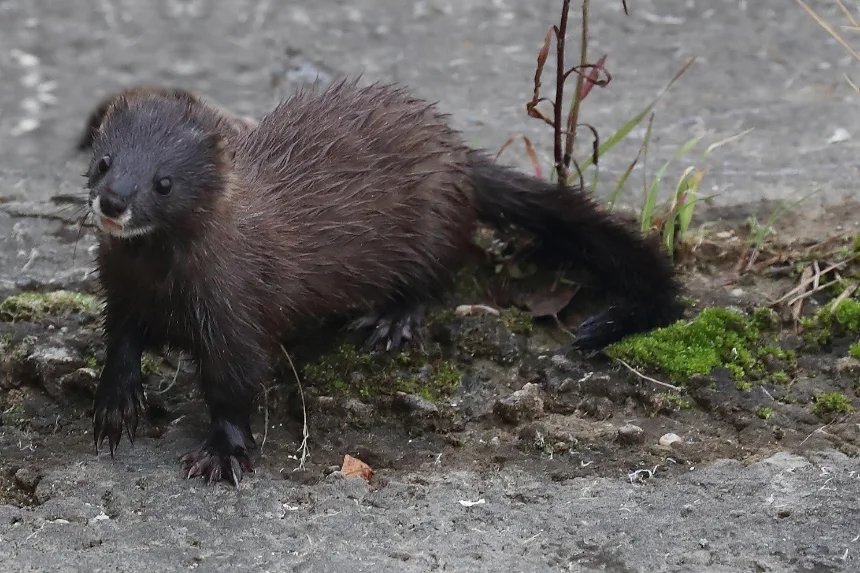
Our services
From extraction to digital PCR.
The steps the team carries out for you, depending on the scope of your project.
- DNA extraction
- Library preparation
- Sequencing
- Primer design (if not available)
- Digital PCR
- Scientific support
Applications
What we sequence and detect.
- Amplicon sequencing
- Short- and long-read sequencing
- Whole and partial genome sequencing
- Target species and genetic variant detection
Case studies
Targets already studied.
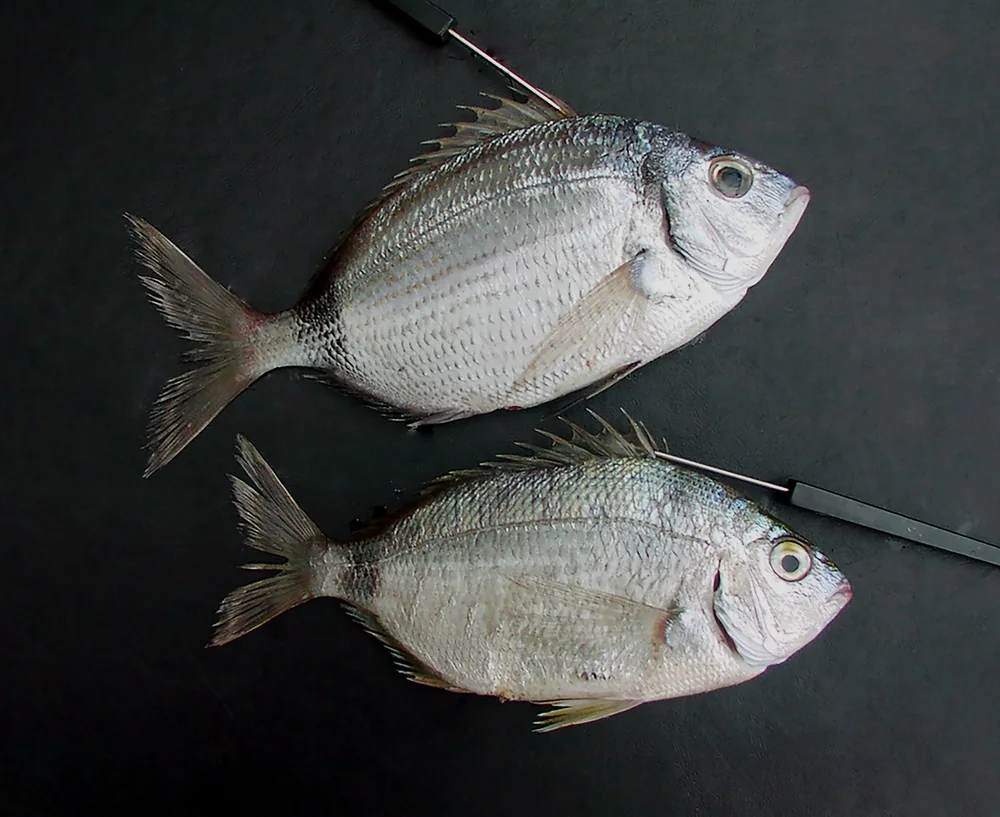 Epigenomics of Sparidae
 Detection of iconic Mediterranean species using dPCR
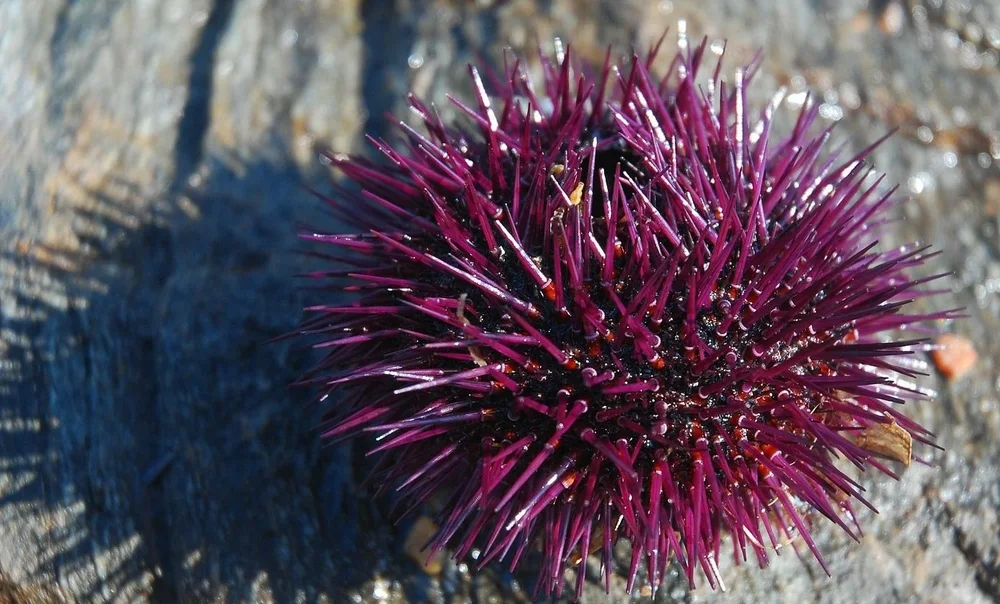 Detection of the purple sea urchin (Paracentrotus lividus)
Your project in practice
Shared scoping. A tailored proposal.
Support can link molecular biology, sequencing and bioinformatics. The approach and the reporting are defined from your objectives.
To prepare the first conversation
- Your objective and the decision it should inform
- The context: site, environment, species or population studied
- The samples or data already available
- Your schedule and field constraints
What we define together
- The scope of the service
- The sampling strategy and the analyses
- How results are reported
- The schedule and the quote
A concrete example
The microbial communities of microplastics.
Sequencing the microbial communities that colonise microplastics.
Explore this studyIn brief
- LDgenX’s role
- Sequencing
- Substrates
- Microplastics
- Field
- Environmental microbiology
Your fields of application
Genomics in your field.

Complementary services
Going further, together.
Let’s discuss your project
Your question. Our next starting point.
A project in biodiversity, genomics or bioinformatics? Describe your needs to receive a proposal, or book a first conversation with our scientific team.
Or write to us: info@ldgenx.fr