
Environmental DNA
Monitor biodiversity using environmental DNA (eDNA).
Environmental DNA (eDNA) enables the detection and identification of species present in an ecosystem from water, soil, sediment or biofilm samples. LDgenX provides tailored eDNA solutions to support biodiversity monitoring, conservation and environmental impact assessments.
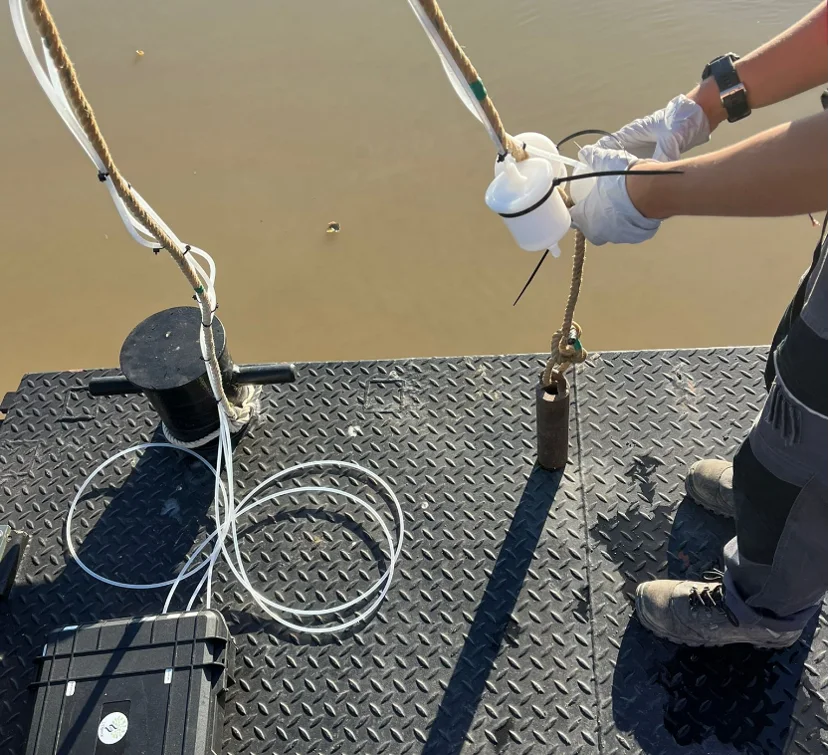
Your scientific need
One question, one environment, species to know.
Do you need to survey a site, monitor a species or inform a management decision? The approach is built from your question, the environment studied and the biological groups you are interested in.
The approaches to bring in
Four ways to read traces of DNA.
The choice of methods is guided by the scientific objective and the context of your project.
Metabarcoding
Biodiversity assessment using targeted genetic markers (e.g. 12S, COI, 18S, ITS).
Metagenomics
Comprehensive analysis of biological communities through untargeted sequencing.
Targeted dPCR
Detection and quantification of DNA from target species or pathogens using digital PCR.
Long-read sequencing
Enhanced taxonomic resolution and expanded analytical capabilities through long-read sequencing technologies.
Our services
From protocol to decision-support report.
The steps the team carries out for you, depending on the scope of your project.
- Project design
- Primer design (if not available)
- DNA extraction
- Sequencing
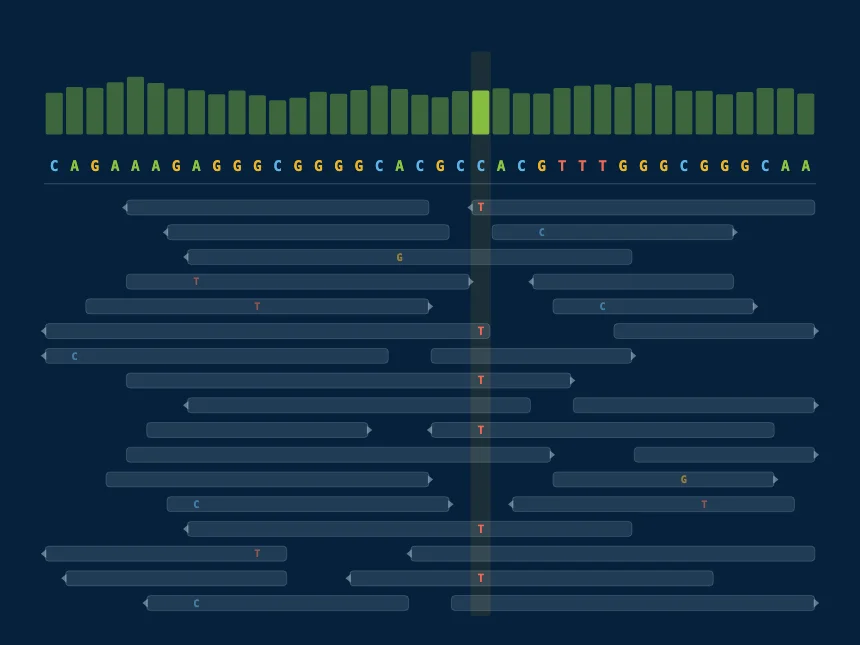
- Bioinformatics analyses
- Statistical analyses
- Diversity analyses
- Decision-support report
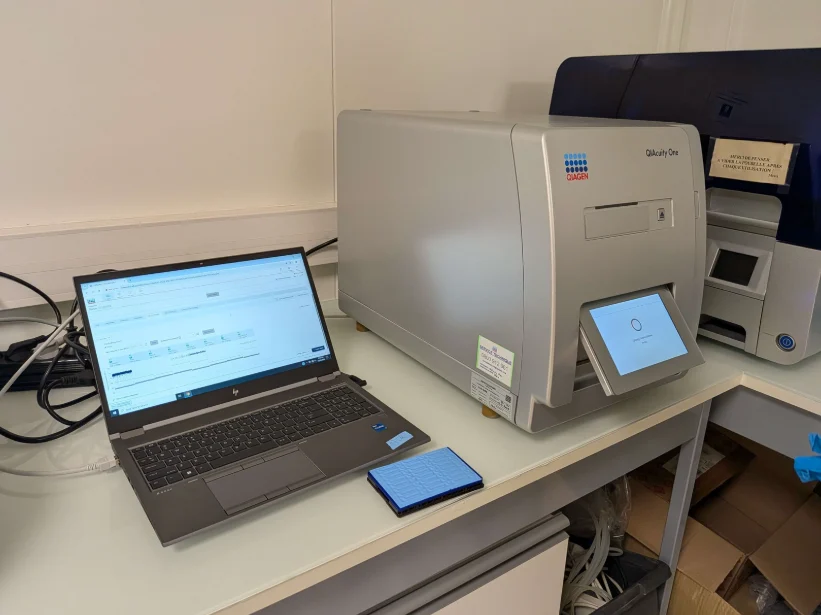
- Digital PCR
- Mapping and visualisation
Applications
Where eDNA provides answers.
- Biodiversity surveys
- Environmental impact assessments
- Invasive species detection
- Protected species monitoring
Case studies
Environments already explored.
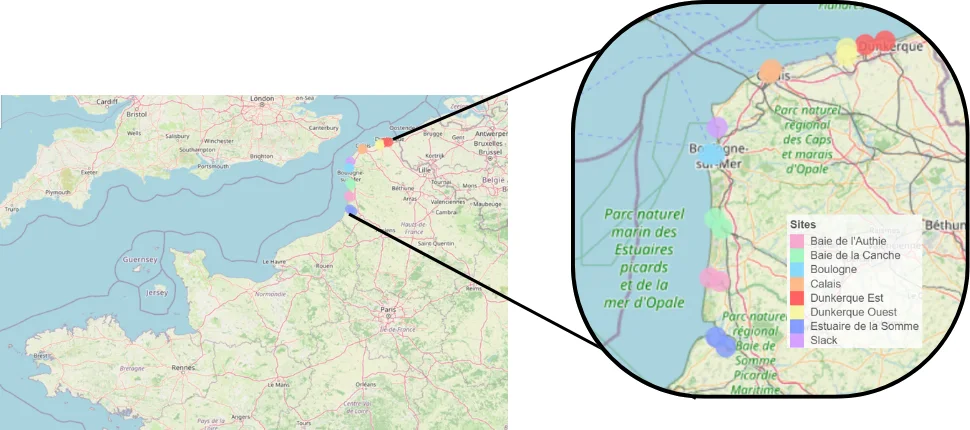
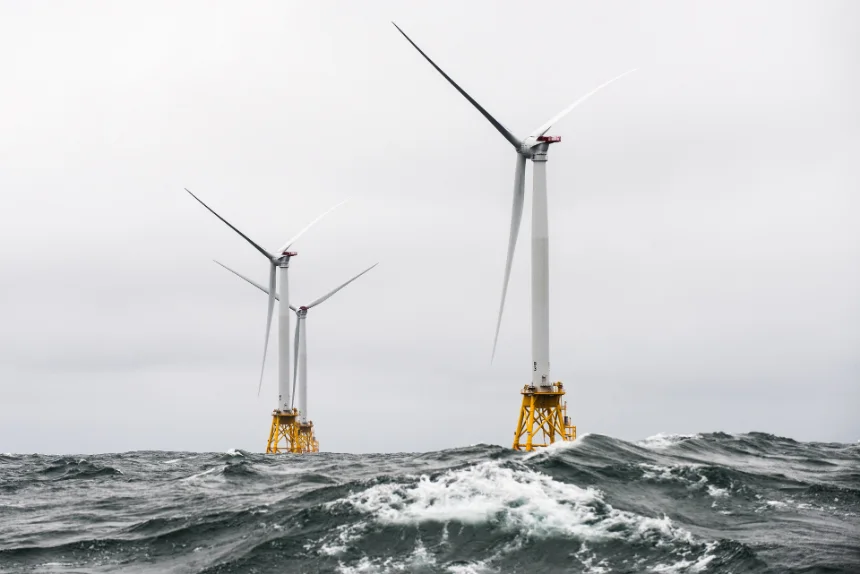
 Baseline marine biodiversity assessment at a pilot site
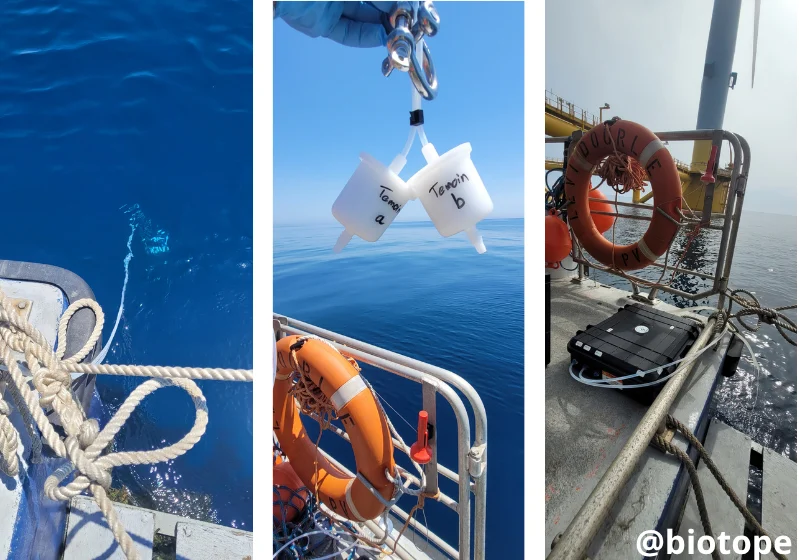
Your project in practice
Shared scoping. A tailored proposal.
From sampling to bioinformatics, the analyses are tied to your objective. The reporting and the level of support are defined with the scientific team when the project is scoped.
To prepare the first conversation
- Your objective and the decision it should inform
- The context: site, environment, species or population studied
- The samples or data already available
- Your schedule and field constraints
What we define together
- The scope of the service
- The sampling strategy and the analyses
- How results are reported
- The schedule and the quote
Your fields of application
Genomics in your field.
Complementary services
Going further, together.
Let’s discuss your project
Your question. Our next starting point.
A project in biodiversity, genomics or bioinformatics? Describe your needs to receive a proposal, or book a first conversation with our scientific team.
Or write to us: info@ldgenx.fr