LDgenX

Explore LDgenX

Ask for a quote

Environmental DNA · Genomics · Bioinformatics

From DNA to decisions

Biodiversity, aquaculture, agriculture: we design the study, analyse your samples and help you interpret the results.

InnovationDNA EcoTrace: automating biodiversity monitoring

15+ years

of scientific experience

Deep Tech

label awarded by Bpifrance

End to end

from sampling to decision support

Station Ifremer

a team based in Palavas-les-Flots

Applications

One science. A whole world of applications.

Explore your environment.

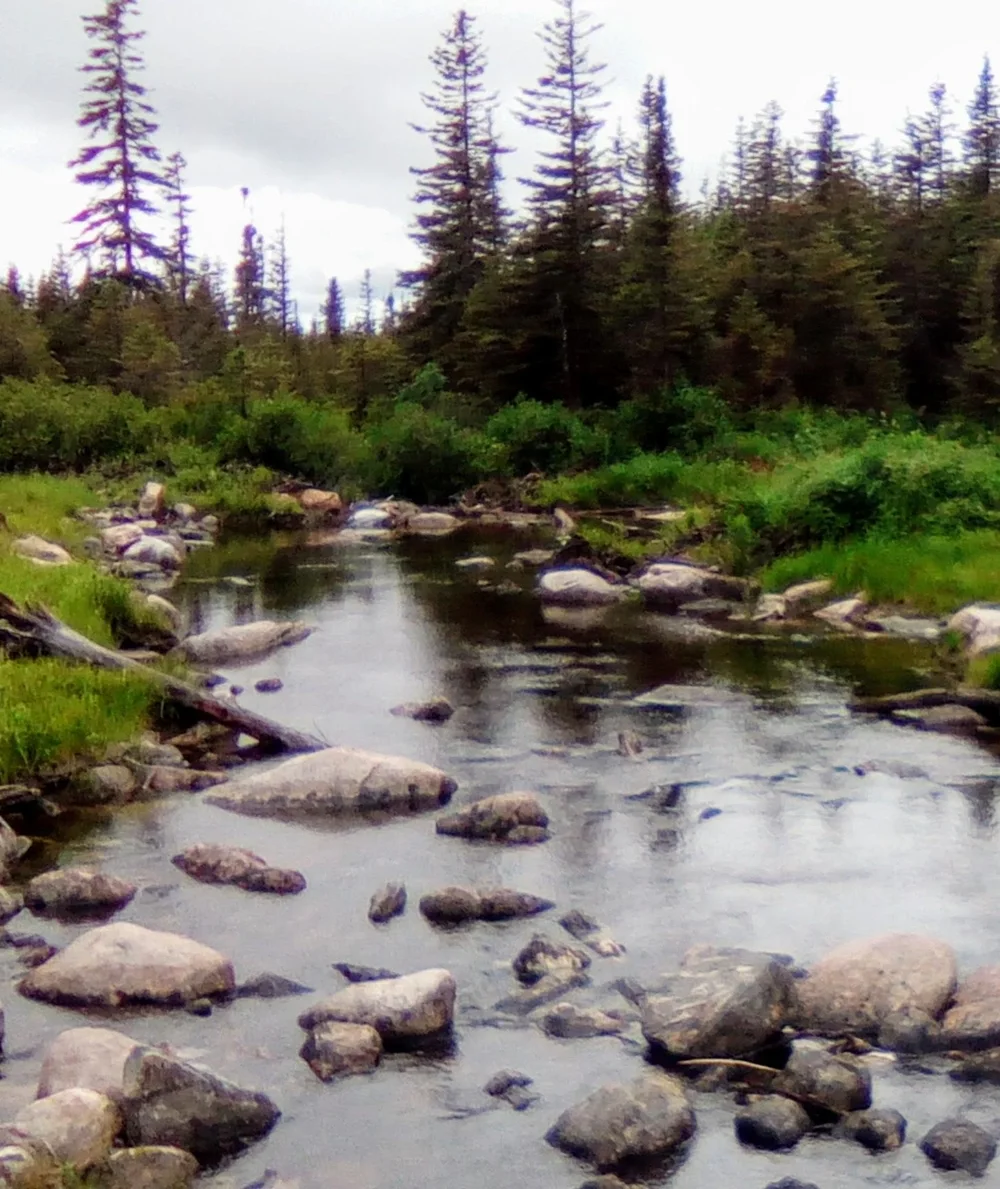
Illustration of a territory from forest to sea: forest and wetland, crops and vineyards, research station, port, sea farming and offshore wind turbines.
All sectors

Application

Biodiversity & Conservation

Understanding populations and informing conservation action with genomic tools.

Understand to act

From sample to decision.

A sample holds far more than DNA. It carries information about species, populations and ecosystems. Our role: help you understand it and put it to use.

LDgenX supports public and private organisations across the whole scientific chain. We bring molecular biology, sequencing and bioinformatics together around a single question: yours.

  1. Scientific project design. Your question is the starting point. Together we set the objectives and the approaches to bring in. Literature review, definition of objectives and indicators.
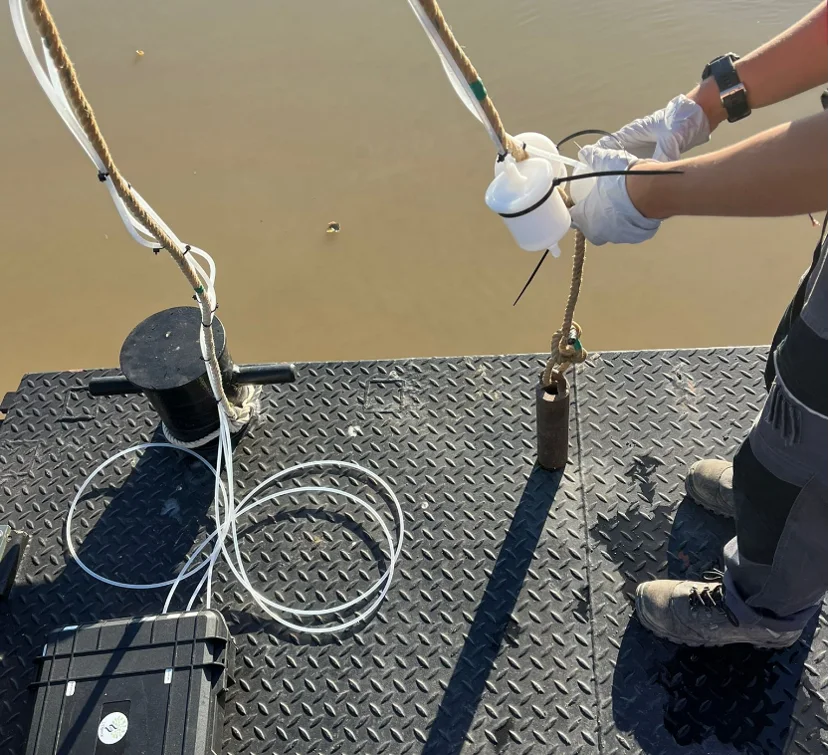
  2. Sampling strategy. Information starts in the field. The choice of matrices and the sampling strategy are designed for your question. Water, soil, sediment or biofilms. Triple pump, StickPump and towed Yellow Submarine for filtering in the field.
  3. Molecular analyses. Molecular biology links your samples to the data. From nucleic acid extraction on complex matrices to sequencing library preparation.
  4. Sequencing & dPCR. Amplicons, genomes or targeted detection: technologies are chosen according to the scientific objectives. Long reads (Nanopore) and short reads (Illumina, AVITI), targeted sequencing and microsatellites (qPCR, Sanger, KASP), digital PCR.
  5. Bioinformatics. Data are processed and analysed with bioinformatics approaches suited to your biological question. Bioinformatics and biostatistics: metabarcoding, metagenomics, RAD-seq, RNA-seq, WGS, epigenetics, GWAS.
  6. Interpretation. We place the analyses back in their biological context and help you understand the results. Interpretation and reporting of the results in an expert report.
  7. Decision support. Scientific knowledge becomes actionable information for your management, conservation or innovation projects. Actionable results for decision-making.

Our services

Understanding life, at every scale.

Complementary areas of expertise, brought together according to your scientific question and the specifics of your project.

Also: Targeted DNA tests · Research & Development · Sampling equipment

All our services
Service

Environmental DNA

Detection and monitoring of species through the analysis of DNA traces present in the environment.

Approaches

  • Metabarcoding
  • Metagenomics
  • Targeted dPCR
  • Long-read sequencing
Discover this service

Genomics in practice

Concrete questions. Scientific approaches.

Skip the study

Environmental DNA · Case study

Reading the biodiversity of ports and estuaries.

A fish survey for the Artois-Picardie Water Agency.

Client
Artois-Picardie Water Agency
Carried out by
Qualyse, LDgenX and Prelevmar consortium

Reading the biodiversity of ports and estuaries.

A fish survey for the Artois-Picardie Water Agency. Client: Artois-Picardie Water Agency. Carried out by: Qualyse, LDgenX and Prelevmar consortium.

The question asked

How can knowledge of fish communities be improved, and how does eDNA compare with conventional data collection methods?

The eight sampled sites

  • Dunkirk East (Port, Nord)
  • Dunkirk West (Port, Nord)
  • Calais (Port, Pas-de-Calais)
  • Slack (Estuary, Pas-de-Calais)
  • Boulogne (Port, Pas-de-Calais)
  • Canche bay (Bay, Pas-de-Calais)
  • Authie bay (Bay, Pas-de-Calais and Somme)
  • Somme estuary (Estuary, Somme)

The approach

  • Sample: In late November and early December 2025, three water replicates filtered simultaneously at 15 stations across eight ports and estuaries.
  • Analyse: Two genetic markers, Teleo for bony fish and Elas02 for elasmobranchs: 23 and 13 taxa identified.
  • Compare: In the Somme estuary, eDNA finds the four key species of the beam trawl monitoring (herring, whiting, common goby, sea bass) and detects species the trawl did not catch.

Constraints of the setting highlighted by the publication

  • Currents: Currents move water, and with it the traces of DNA it carries.
  • Turbidity: Abundant in estuaries, suspended particles cloud the water.
  • Tides: The tide changes the water level and how waters mix through the day.

What the study brings

Median richness close between ports and estuaries, except for the Slack, but a different distribution of species; assemblages consistent with the expected ecological guilds. The study feeds the discussion on eDNA for monitoring aquatic environments.

Let’s discuss your project

Your question. Our next starting point.

A project in biodiversity, genomics or bioinformatics? Describe your needs to receive a proposal, or book a first conversation with our scientific team.

Or write to us: info@ldgenx.fr